Compute — In development
IxS-ECM
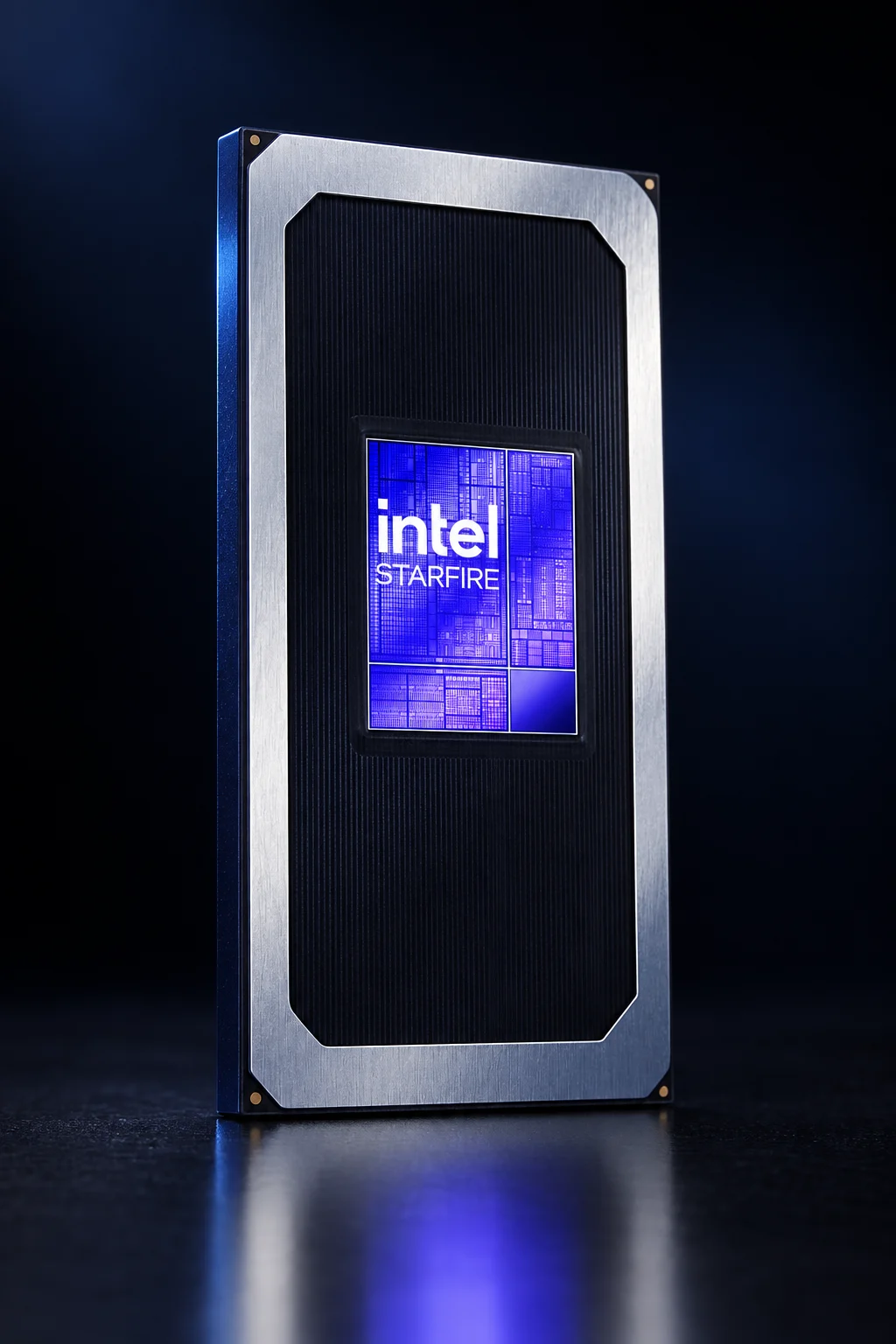
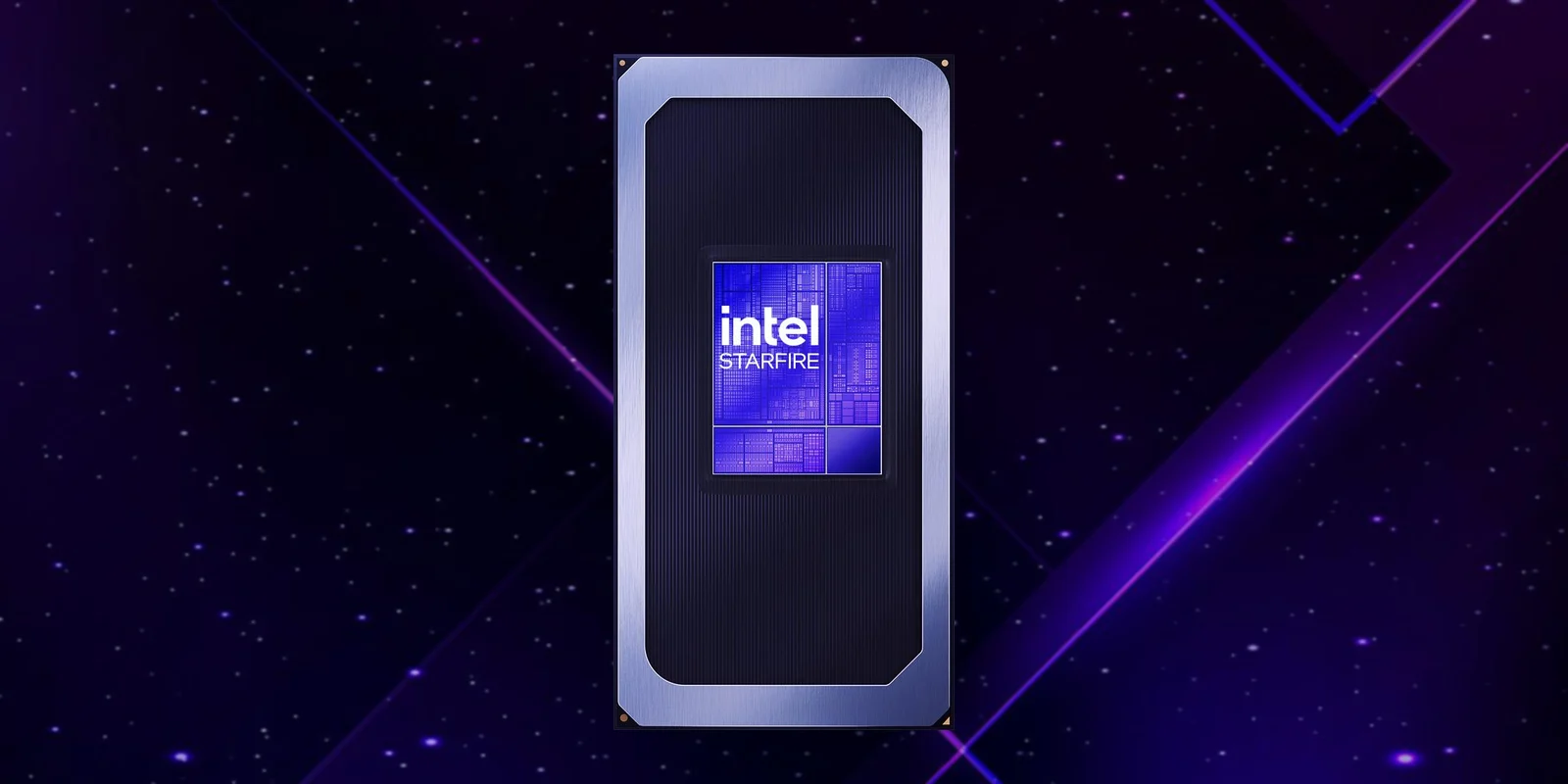
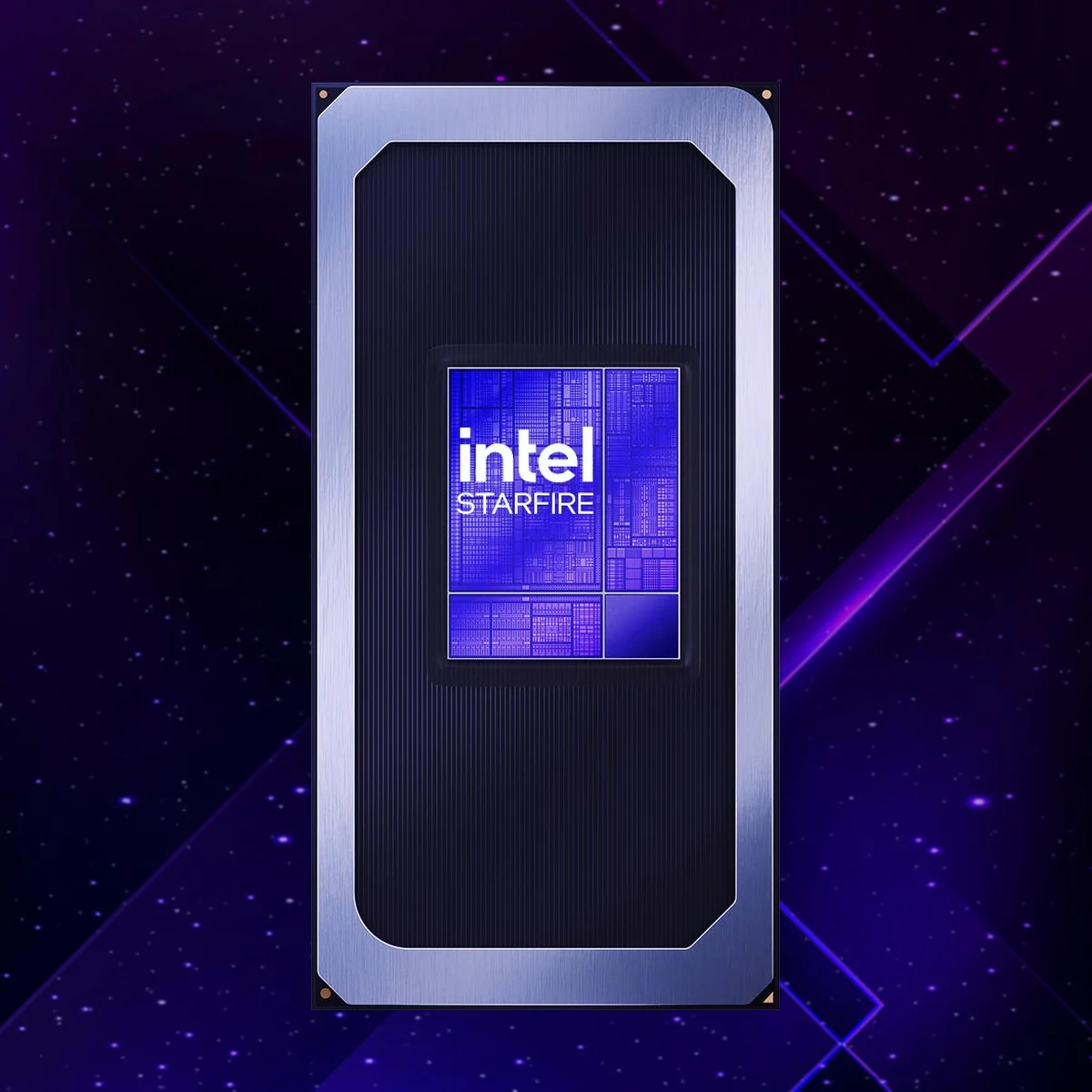
Intel × Starfire Edge Computing Module. Enterprise-class CPU, NPU and GPU on one space-grade SoC — consolidating flight, mission and AI workloads with the x86 software ecosystem teams already run on the ground, inside the same 2U ECM enclosure family as the NxA.
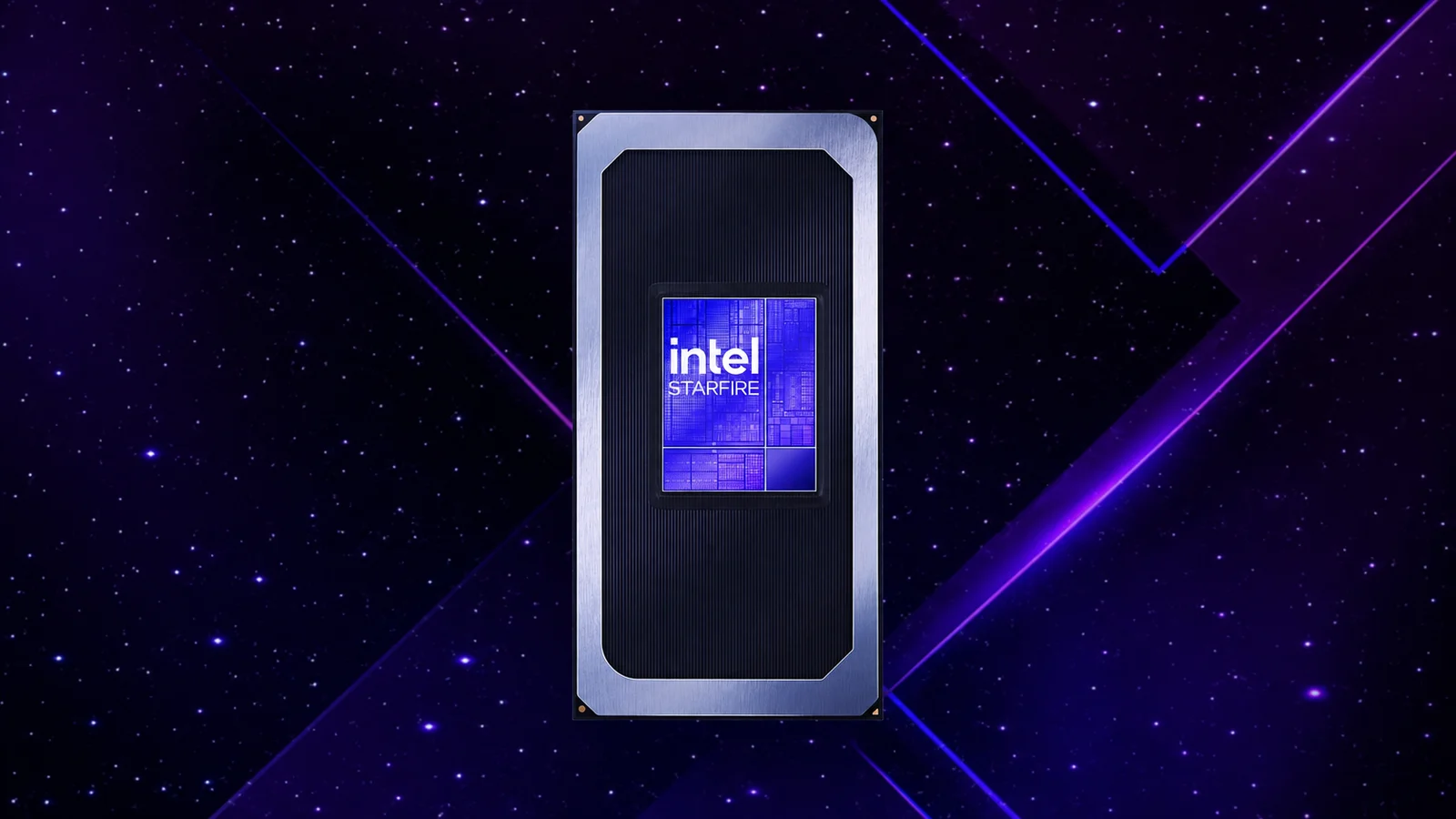
Status In development. SoC parameters are taken from the Intel® Starfire™ documentation and are subject to change; module-level specifications, I/O break-out and qualification data will be published as the design matures. TID, SEL and SEE characterization of the SoC is in progress at Intel.
Heterogeneous x86 compute
- 4 P-cores at 3.0 GHz + 4 LPE-cores (Intel 18A)
- NPU: 3 tiles at 1.8 GHz
- GPU: 4 Xe-cores / 64 execution units (Intel 3)
- LPDDR5x or DDR5 up to 6400 MT/s, 8 MB memory-side cache
- Image signal processor (IPU 7.5) for camera pipelines
Workload consolidation
- Flight, mission and payload processing on one device
- Virtualized workload partitioning, mixed-criticality support
- Isolated fault domains protect flight-critical functions
- Functional-safety features for mission assurance
- Run existing x86 containers and toolchains unchanged
Aethero module design
- Same enclosure family, copper thermal core and lockable I/O plate as the NxA-ECM
- Rad-hard supervisor, smart power arbitration and watchdog
- Dual NVMe storage with RAID, BTRFS/ZFS and checkpointing
- Thermal design sized for the 35 W Performance SKU
- Compatible with the NxN expansion ecosystem via interposer
Inside the module
x86, NPU and GPU on one card.
The Starfire compute tile sits at the centre of each compute card beside its NVMe drives; the copper core underneath pulls heat to the enclosure. Shielding layers and the rad-hard supervisor sit between the two cards.
Hardware features
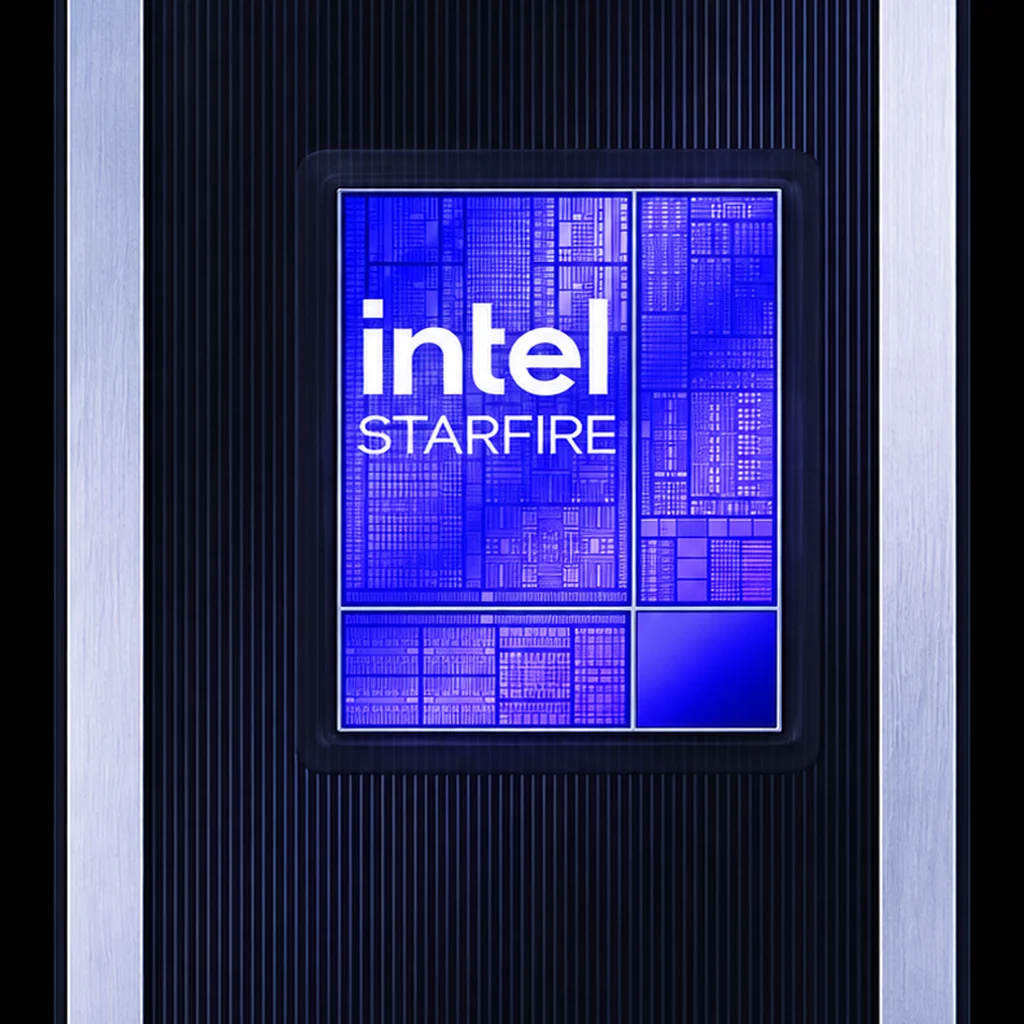
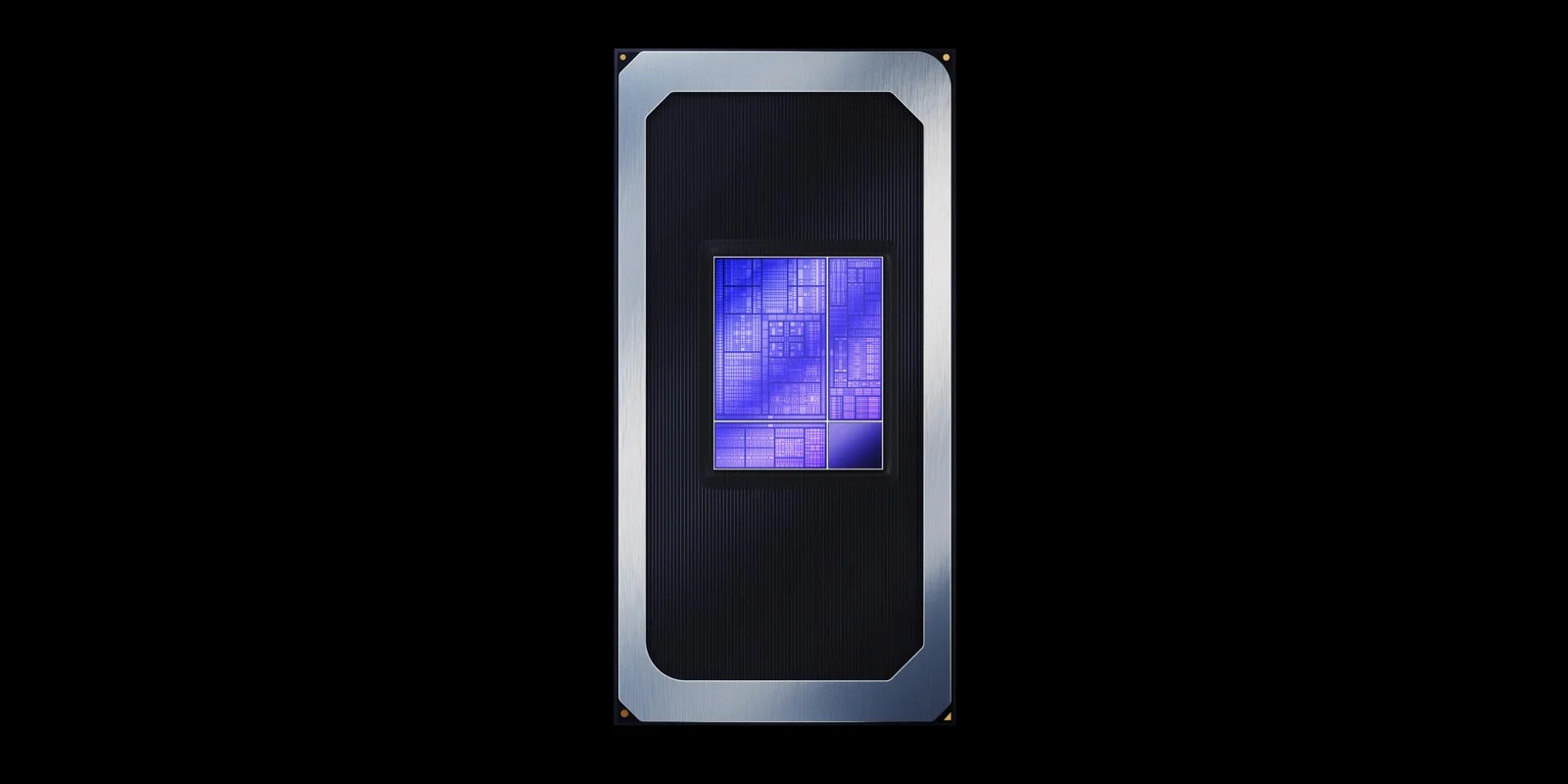
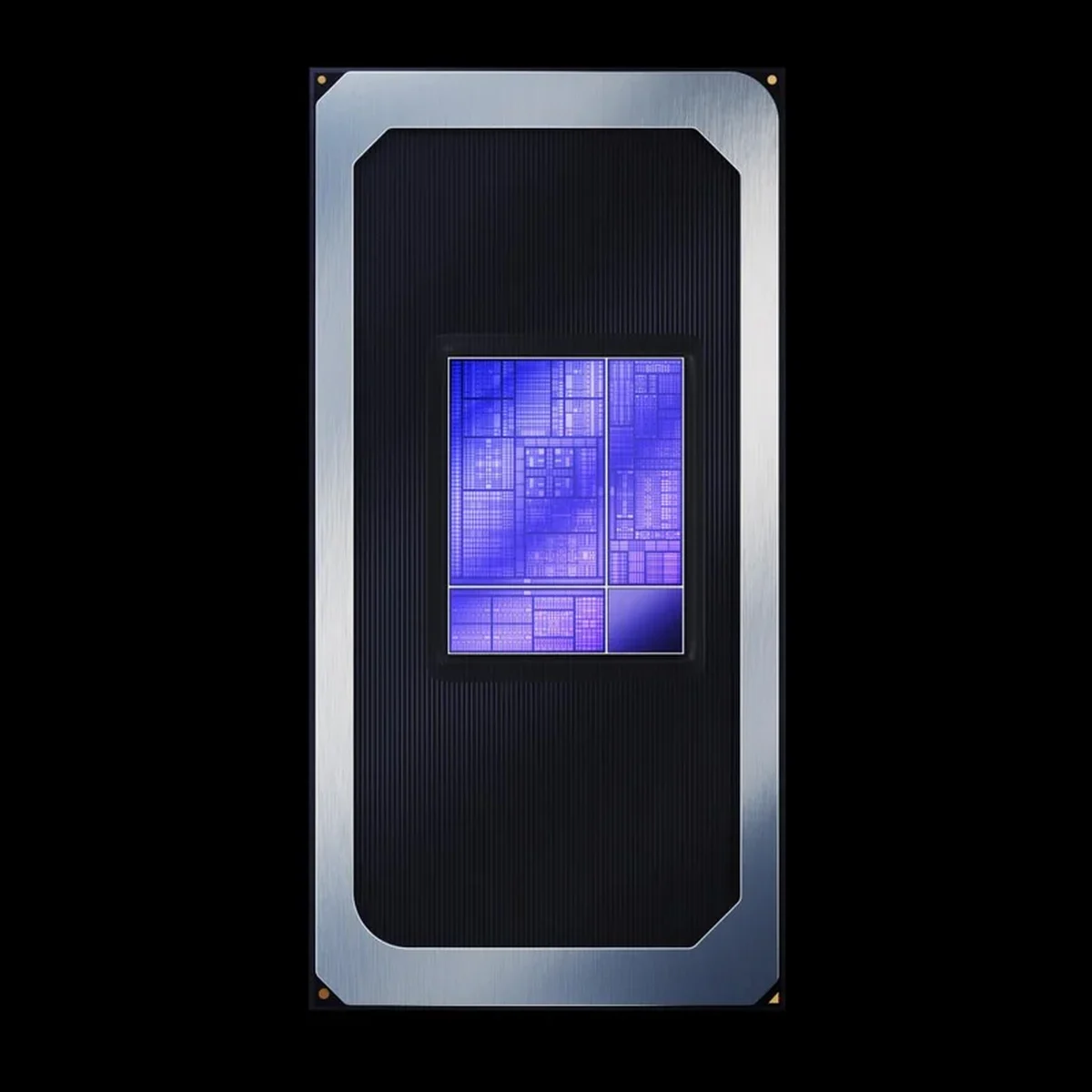
- Intel Starfire SoC: 8 x86 cores, NPU and Xe GPU in one package
- 12 lanes PCIe Gen4 (3 PHY, full bifurcation) at the SoC; module break-out defined per mission
- 4× USB4 / Thunderbolt, 2× USB 3.2, 8× USB 2.0, 1× GbE integrated MAC
- SPI, eSPI, I²C, I3C, UART and GPIO low-speed I/O
- Low Power (10 W, up to 45 TOPS) or Performance (35 W, up to 80 TOPS) SKU
- Single- or dual-card configurations; hybrid with NxA cards under evaluation
Software features
- ECM-OS with RAID, resilient filesystems and checkpointing
- In-orbit OTA firmware and software updates via Aether
- Hypervisor and container runtime for partitioned workloads
- Kubernetes clustering with NxA/NxN modules for mixed-architecture data centers
- Standard x86 Linux toolchains, OpenVINO for NPU/GPU inference
SKUs
Two power envelopes.
Intel offers Starfire in a Low Power and a Performance SKU; the IxS-ECM will support both, with the thermal path sized for the higher envelope.
| Specification | Low Power10 W TDP | Performance35 W TDP |
|---|---|---|
| CPU cores | 4× P-core 3.0 GHz · 4× LPE-core 850 MHz | 4× P-core 3.0 GHz · 4× LPE-core 2.1 GHz |
| NPU | 3 tiles · 1.8 GHz | 3 tiles · 1.8 GHz |
| GPU | 4 Xe (64 EU) · 0.8–1.0 GHz | 4 Xe (64 EU) · 2.0 GHz |
| Total AI compute | Up to 45 TOPS | Up to 80 TOPS |
| Operating Tj | -55 °C to 125 °C | -55 °C to 125 °C |
| Radiation | TID, SEL, SEE characterization in progress | TID, SEL, SEE characterization in progress |
Parameters can be customized by Intel to optimize mission workloads.
FAQ
Common questions
Why an x86 module alongside the NVIDIA ECMs?
Will the IxS-ECM fit the same envelope as the NxA-ECM?
When will engineering samples be available?
Is it radiation tolerant?

Contact
Interested in the IxS-ECM?
Tell us about your mission, workload mix and radiation environment and we will keep you updated on engineering samples, specifications and qualification milestones.