01 — Compute · Space Data Center systems
Same card. Any scale.
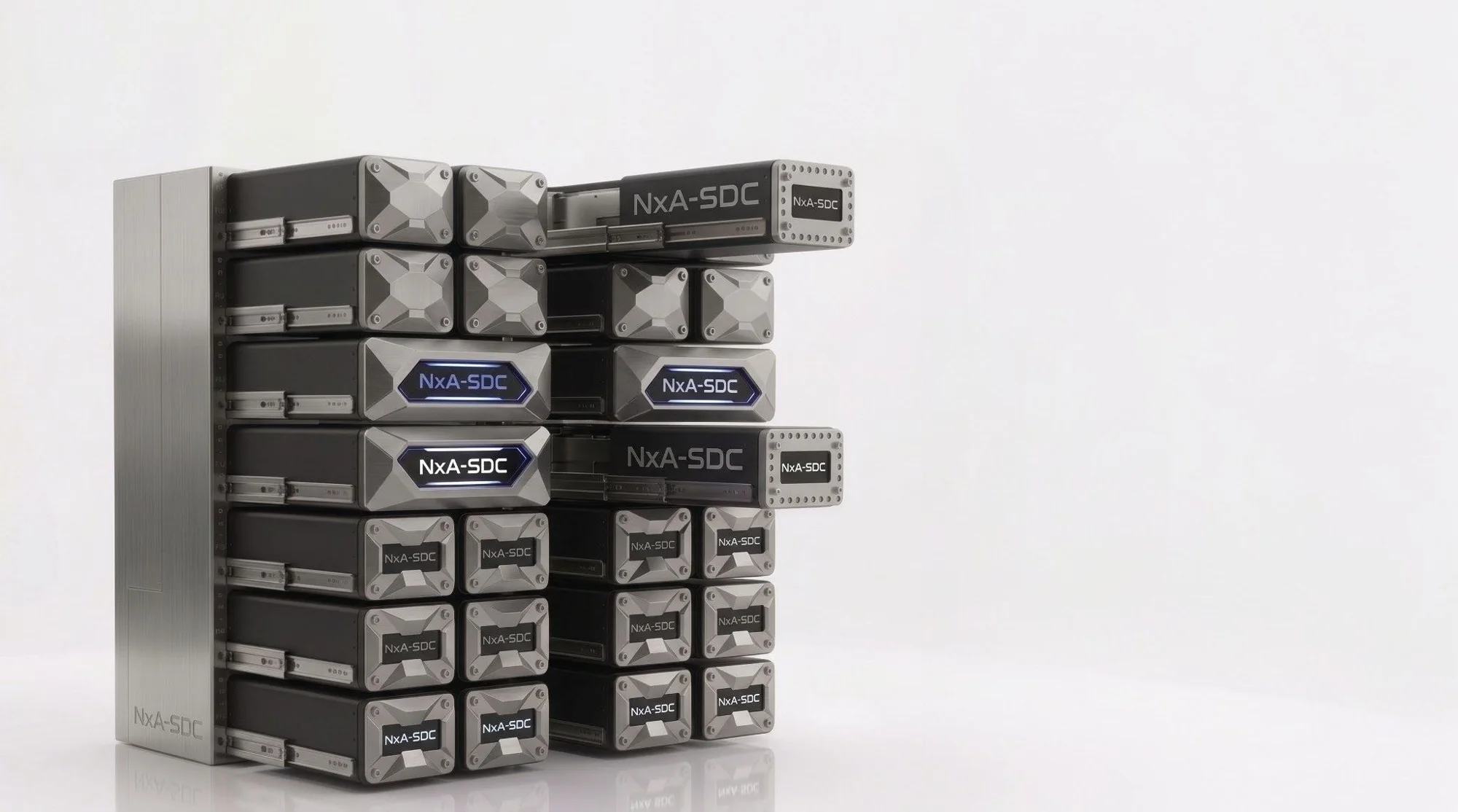
Titan clusters edge compute modules. The Space Data Center architecture takes the identical NxA or NxN compute card and pools it — 16 cards to a node, 14 nodes to a rack, racks to a planetary installation — over a redundant 2D torus fabric with liquid-and-conduction cooling. And because every box shares one interface, a rack mixes NVIDIA, AMD, Intel, next-generation Space-1 and storage nodes freely.
Scaling path
Edge to data center, linearly.
One flight-proven card topology, reused at every tier. Performance scales with Kubernetes clustering and high-bandwidth power, data and cooling interconnects — not with new silicon qualification.
Compute element
A single NxA or NxN card — CPU, GPU, RAM and storage, radiation-hardened by system design.
2,000TFLOPSSDC node
Up to 16 cards pooled in one node, interconnected over a local 2D torus with a BMC managing network, storage, security and acceleration.
64,000TFLOPSSDC rack
14 nodes per full-height rack on a global 2D torus — compute and resilient storage boxes in any mix; liquid and conduction cooling to an external loop.
896,000TFLOPSRacks
Planetary-scale infrastructure for orbit, Moon and Mars — autonomous operation with periodic Earth sync and self-healing architectures.
ColonyscaleLog scale · Aethero Space Data Center Systems, 2026
01 — The compute element
NxA or NxN.
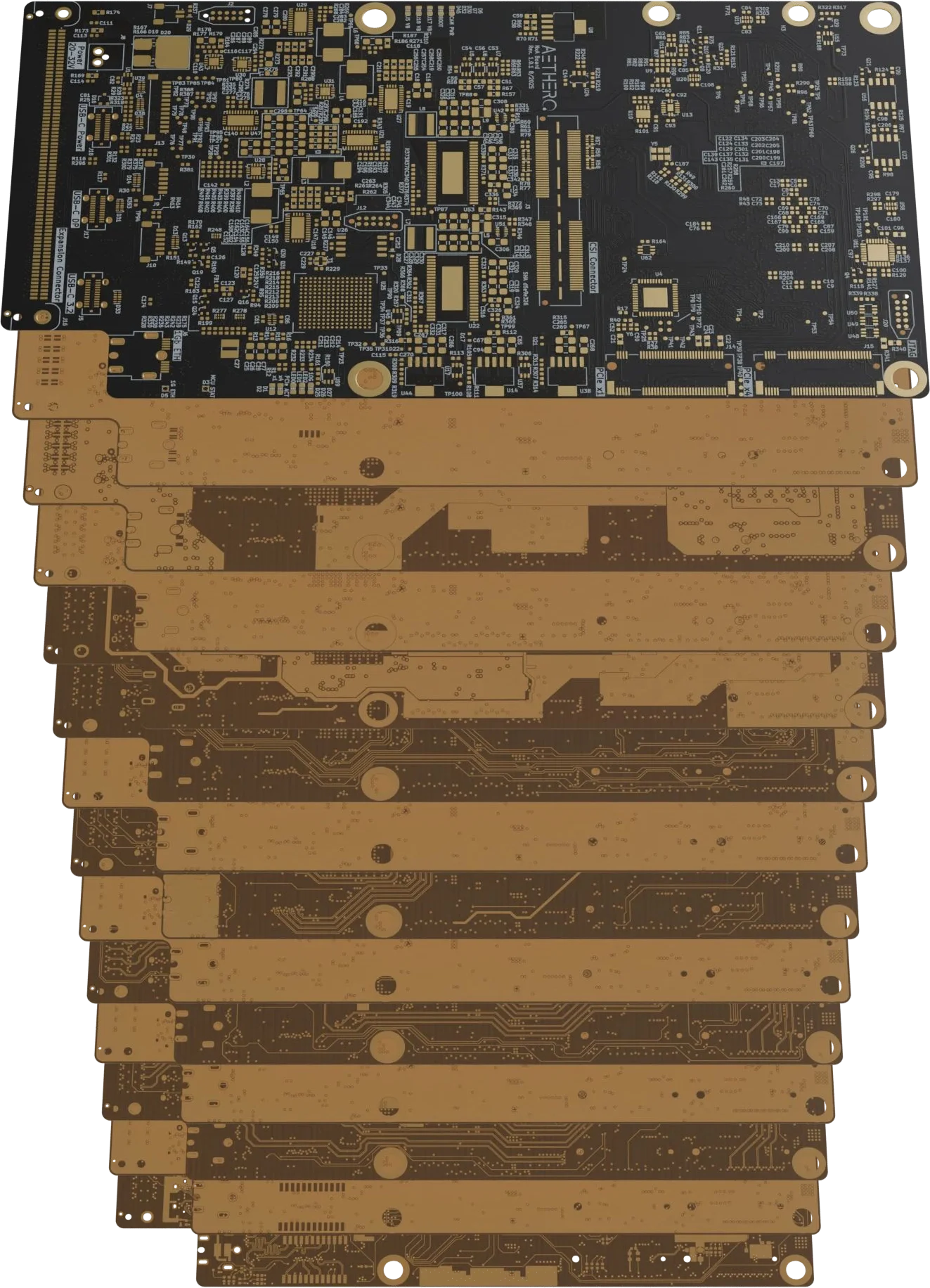
The building block of every SDC is the same card that flies in the NxA-ECM and NxN-ECM today. Combined CPU, GPU, RAM and storage on one board; radiation hardening by system design; a high-bandwidth expansion connector for cooling, communications and power distribution between cards.
A reusable, unified card topology radically reduces specialised environmental validation cost — the element you cluster in a rack has already been shaken, baked, irradiated and flown.
- RADHardened by system designRad-hard supervisor, resilient memory and storage, software-level SEE mitigation.
- I/OInternal interposerHigh-bandwidth interposer links cards inside a node; a mezzanine connector links nodes inside a rack.
- SCALEModular to the limitAdd cards per node up to the host's power or thermal budget — no redesign.
02 — The node
Sixteen cards, one torus.
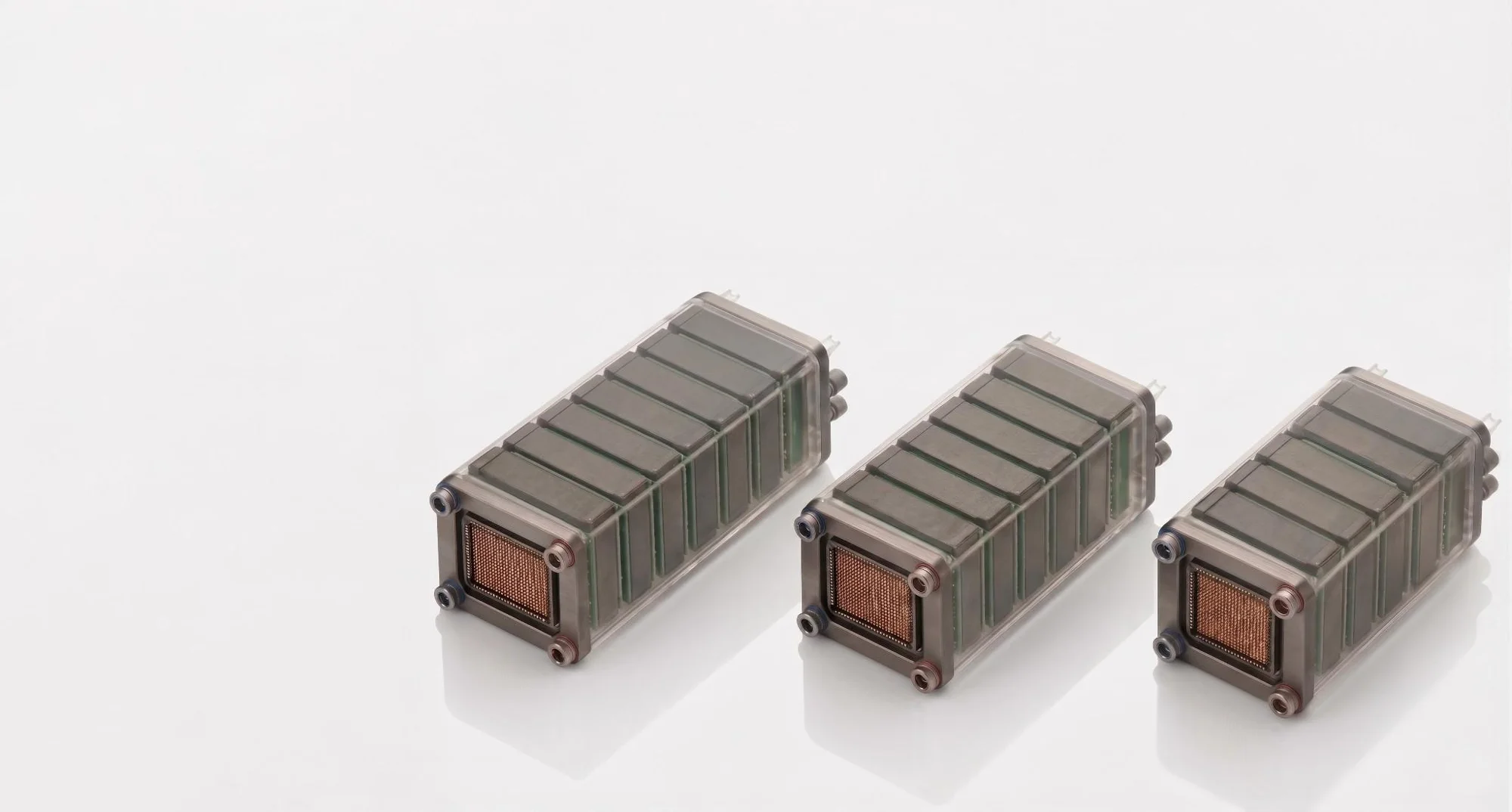
Inside a node, cards connect over a local 2D torus: every element has redundant paths to its neighbours, so a failed card is routed around rather than taken offline. A dedicated BMC pools CPU, GPU, RAM and storage and manages networking, security and acceleration for the box.
- DATAHigh-speed PCIe or EthernetData-plane fabric between cards; Ethernet between nodes.
- CTRLCAN / RS-485 control planeLow-speed TT&C links keep command and health independent of the data plane.
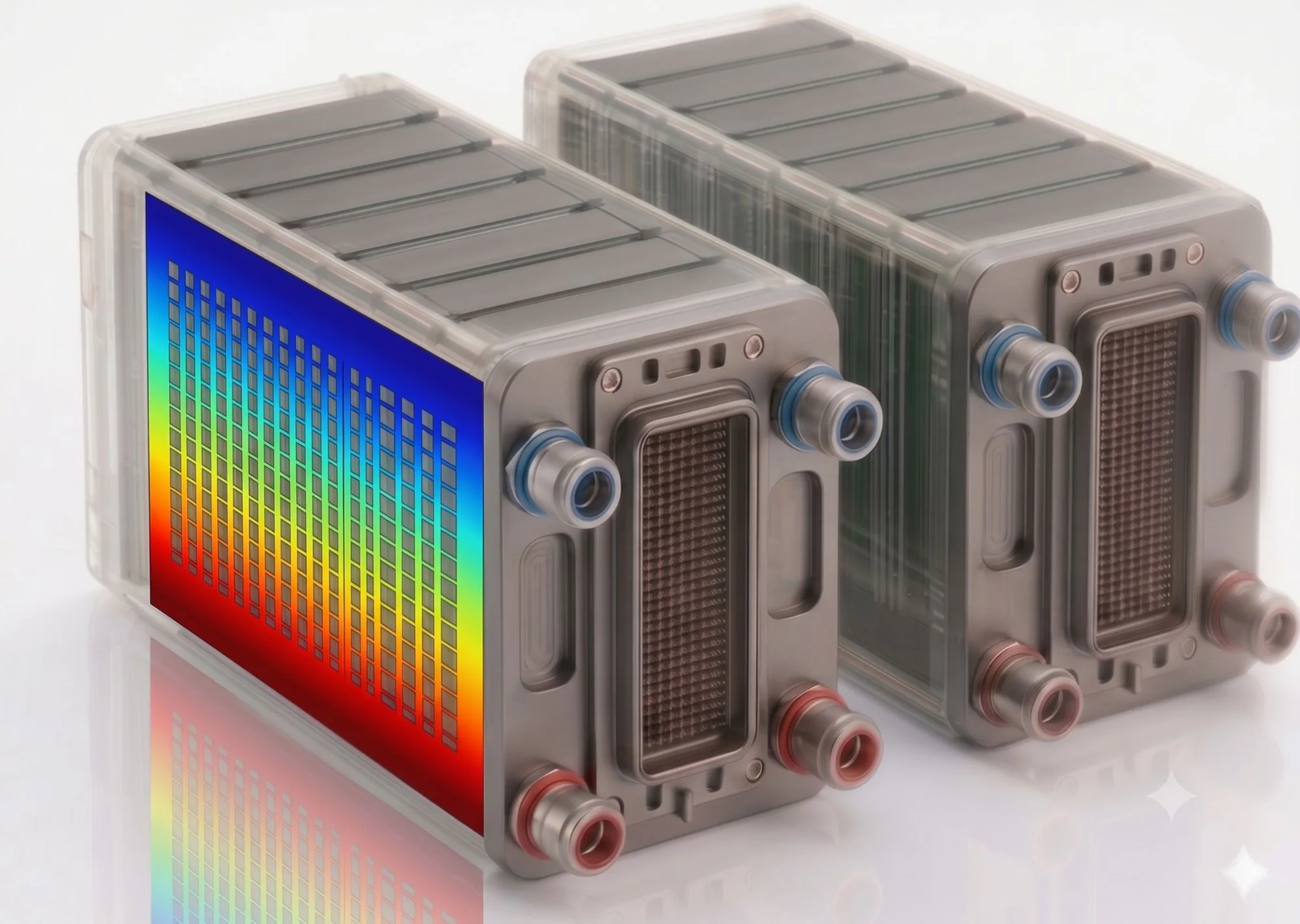
- COOLLiquid and conductionInternal manifolds move heat from every card to the external cooling loop — designed for vacuum.
The box family
One interface. Any box.
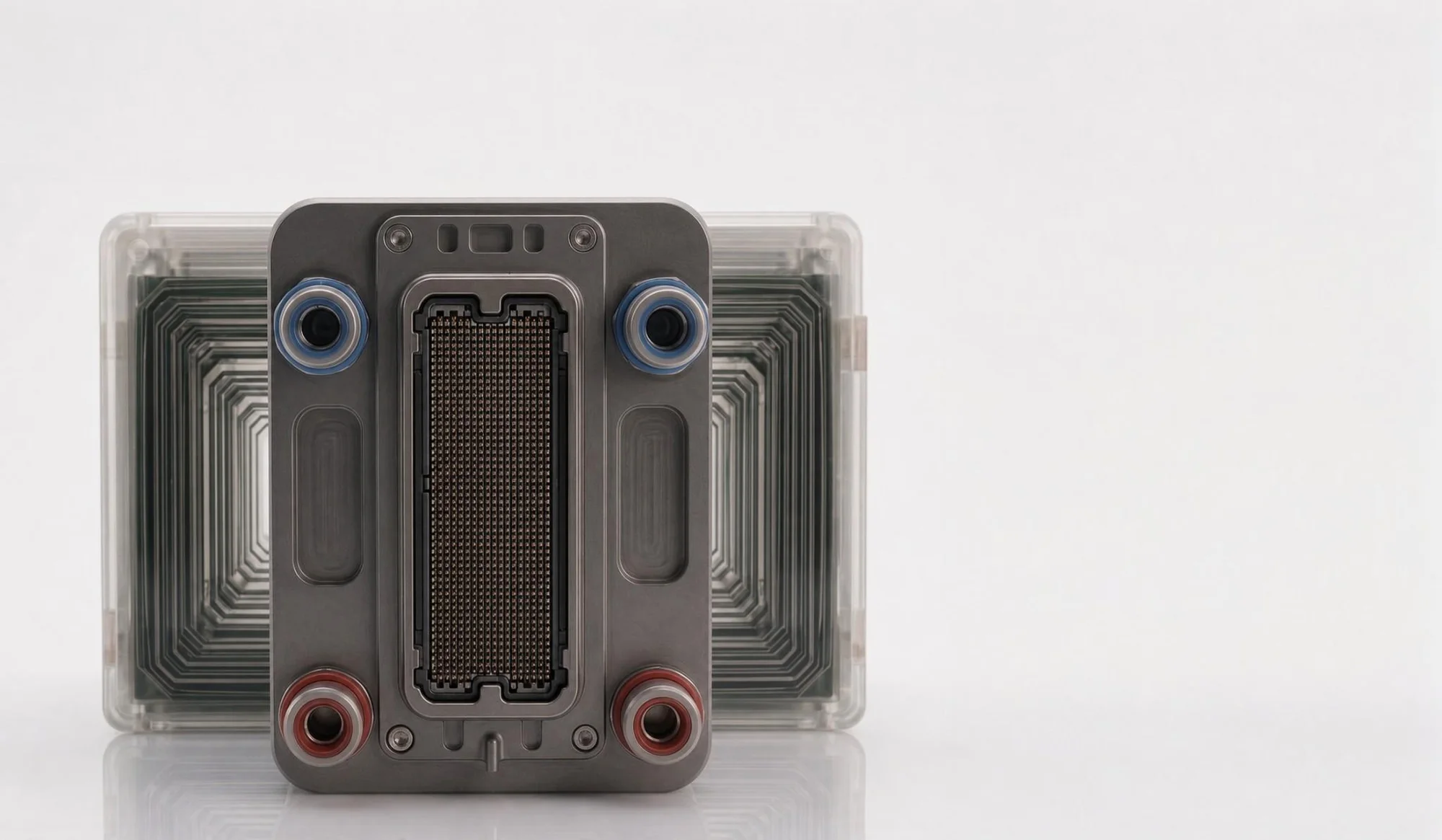
Every SDC box presents the same end plate — mezzanine connector, coolant quick-disconnects, torus ports — so compute, storage and partner nodes slot into any rack position. Mix silicon vendors and storage tiers to the mission, not to a product line.
NVIDIA Thor / Orin AGX node
The reference compute box. Up to 16 NxA cards, 64,000 TFLOPS, data-center-class GPU for training, multi-tenant inference and SAR/HSI pipelines.
- Type
- Compute
- Width
- Standard
- Element
- NxA card
NVIDIA Orin NX / Nano node
Dense, low-power inference and OBC box built from the card that flew on Deimos and Phobos — up to 16 elements, 157 TOPS each, in the same enclosure.
- Type
- Compute
- Width
- Standard
- Element
- NxN card
NVIDIA Space-1 node
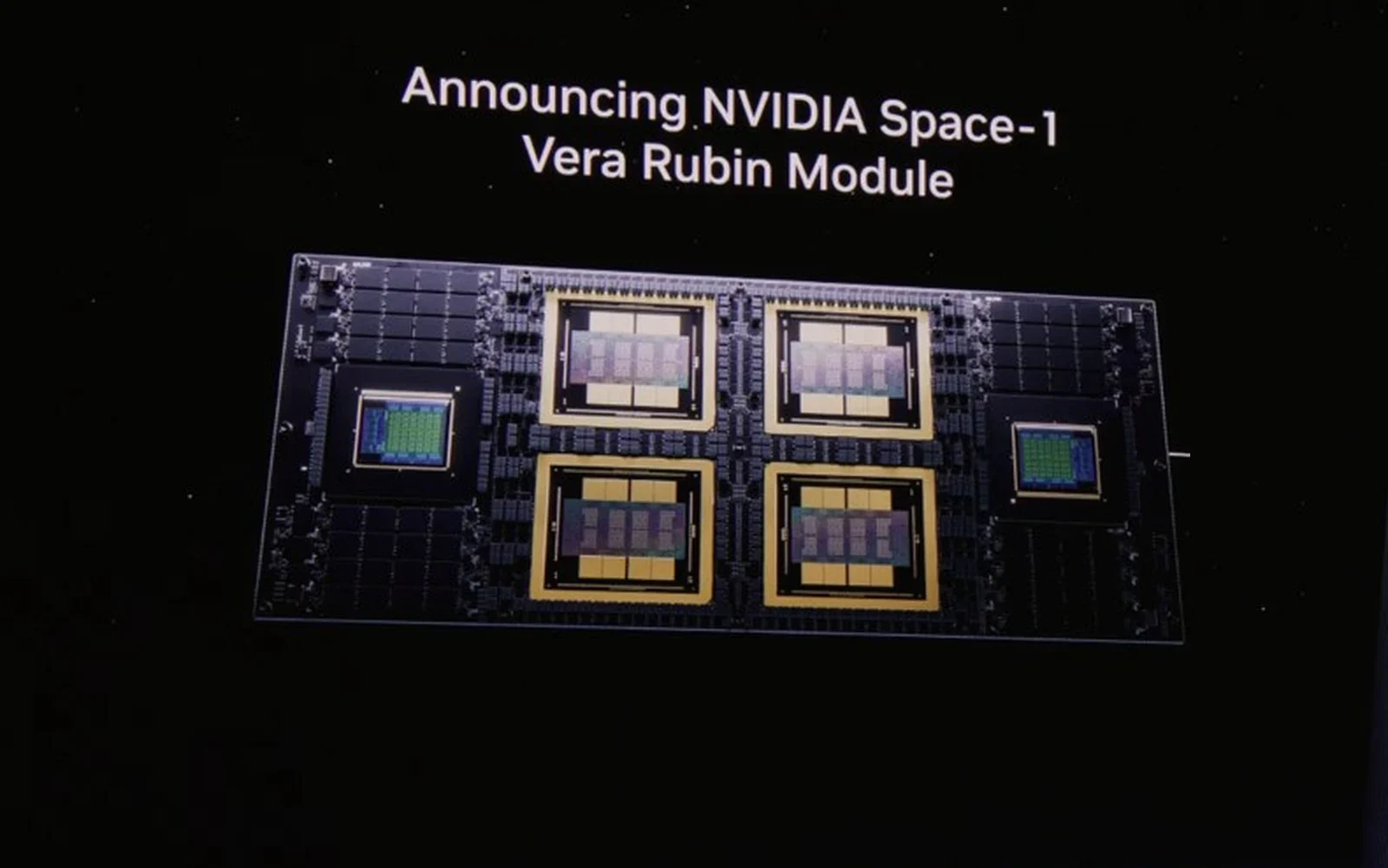
A double-width box that carries NVIDIA's Space-1 Vera Rubin Module and makes it a native SDC element — same rack fabric, same power and coolant interfaces as every NxA node.
- Type
- Compute
- Width
- 2× standard
- Element
- NVIDIA Space-1 Vera Rubin
AMD compute node
AMD CPU, GPU and adaptive-SoC compute elements packaged to the SDC card topology — for workloads and customers standardised on the AMD stack.
- Type
- Compute
- Width
- Standard
- Element
- AMD card
Intel compute node
Intel-based compute elements for x86 general-purpose, networking and FPGA-accelerated workloads, interchangeable slot-for-slot with NVIDIA nodes.
- Type
- Compute
- Width
- Standard
- Element
- Intel card
Resilient storage node
Resilient storage: NVMe elements with no compute, pooled over the torus to adjacent compute nodes for archive, checkpointing and orbital CDN caches.
- Type
- Storage
- Width
- Standard
- Element
- NVMe card
Partner-defined node
Any payload electronics — RF front-ends, optical terminals, sensors, customer accelerators — packaged to the box specification inherit the rack's power, cooling and fabric.
- Type
- Payload
- Width
- 1× or 2×
- Element
- Partner
Next — NVIDIA Space-1
A box for NVIDIA Space-1.
Space-1 is NVIDIA's Vera Rubin module for orbital data centers — a Vera CPU and Rubin GPUs on one board, delivering up to 25× the AI compute of an H100 for space-based inference, with availability targeted for 2027. Aethero is packaging it: a double-width SDC box that carries the Space-1 module and gives it the same mezzanine data plane, power and coolant interfaces as every NxA-SDC node, so it drops into the same rack, the same torus and the same cooling loop.
Everything built for NxN and NxA carries forward. The rad-hard supervisor, the interposer, the PDM/DDM/PCDM distribution designs and the software stack are shared; Space-1 adds NVIDIA's data-center-class silicon, not a new architecture.
- COMPUTENVIDIA Space-1 Vera Rubin ModuleVera CPU + Rubin GPUs; up to 25× H100 AI compute for space-based inference (NVIDIA, GTC 2026).
- FORMAT2× standard widthOccupies two adjacent rack positions; compatible with every standard-width neighbour.
- I/ODual mezzanineTwo connectors double data-plane bandwidth into the global torus.
- STATUSIn developmentNVIDIA targets Space-1 module availability in 2027; Aethero box specifications on request under NDA.
03 — The rack
Fourteen nodes, one fabric.
Node-to-node mezzanine connectors extend the torus across the whole rack — up to 14 nodes and 224 compute elements on a global 2D torus with redundant pathways. Power, data and coolant are distributed through the same scalable interconnects, so a rack is assembled from individually qualified boxes — compute, storage and partner nodes in any mix.
Deployment agnostic
Sized to the spacecraft, not the other way round.
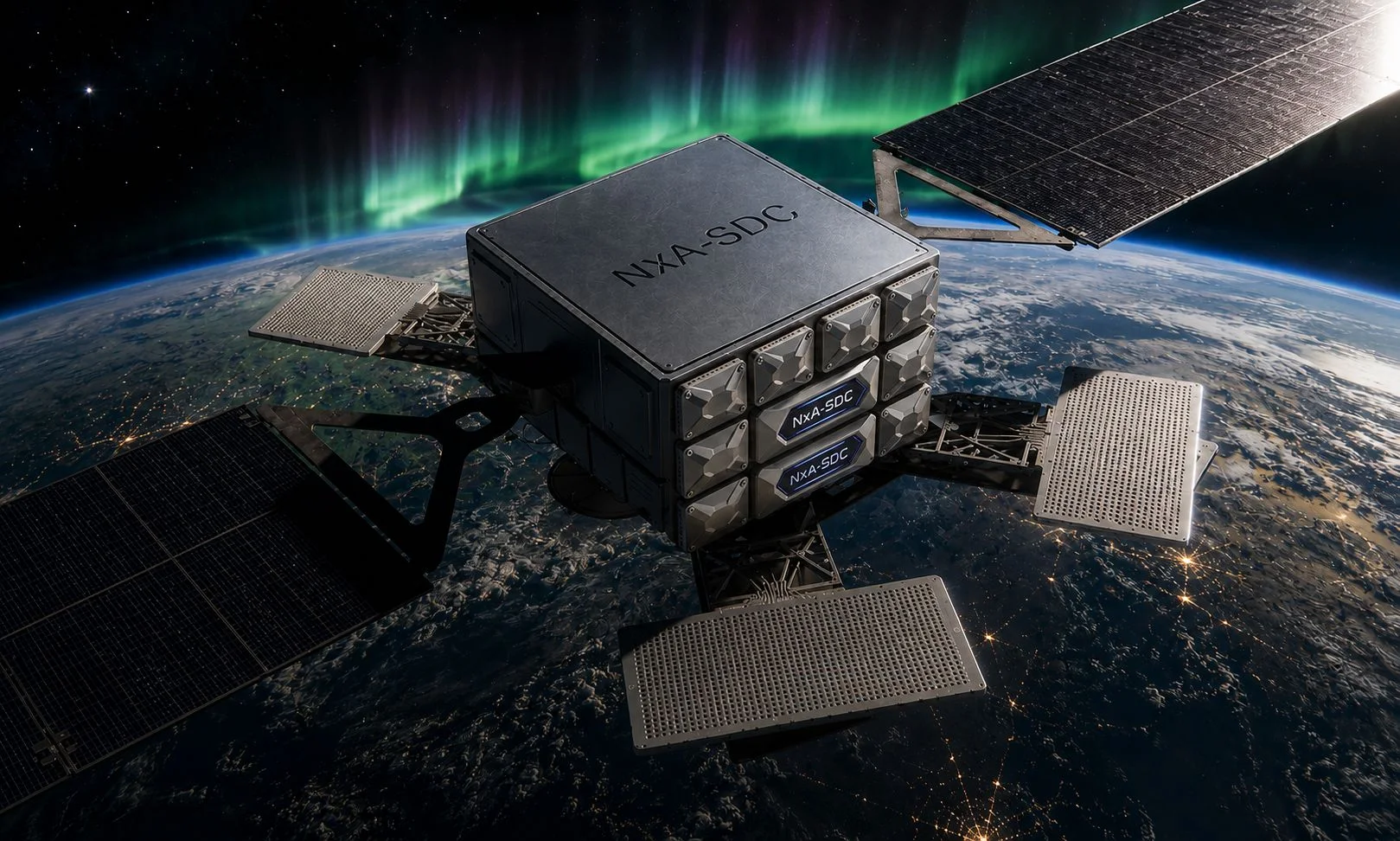
Nodes mount to any bus up to its power and thermal limits — a single node on an ESPA-class spacecraft, a rack on a dedicated platform, many racks on a surface installation. Designed for LEO, cislunar and Mars.
Design principles
Built to run unattended for decades.
Fault tolerance by topology
Redundant torus pathways at card and node level, checkpointed storage and container orchestration route around failures without ground intervention.
Independent operation
Nodes schedule, scale and recover workloads locally, syncing with Earth periodically — essential beyond LEO where light-time makes real-time control impossible.
15–30 year service
Disaggregated resources can be upgraded or retired card by card, so the installation outlives any single generation of silicon.

Contact
Plan a space data center.
From a single Titan node to a multi-rack installation, we will size the architecture to your spacecraft, power and thermal budget. The SDC systems overview is available on request.